
Rarely does a garden that is productive begin with costly equipment or an attractive property. The majority of the time, it’s the person who starts with the seeds, and then observes the outcomes. This will allow them to make better decisions next season.
The Sproutstead is a resource for those looking to learn how to grow their own food, improve the soil they cultivate as well as preserve the harvests and achieve self-sufficiency without getting lost in technical terms.
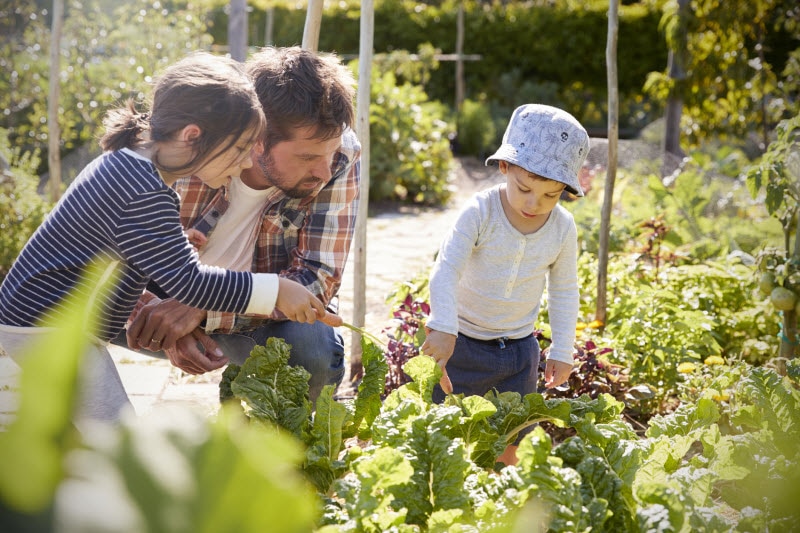
Your garden comes with specific conditions
One reason that gardening tips could be frustrating is that gardens can’t be interchangeable. A tomato plant in a raised beds with sunlight in one region could behave differently from the same variety of tomato grown in the dense, rocky soil in another part of the world.
Successful gardening and homesteading therefore involves more than following instructions. Gardeners gain knowledge of their personal conditions, including sun soil structure, soil structure temperatures, the growing season, available space, and how much time they can realistically devote to maintenance.
The Sproutstead explains these variables to assist readers in adapting the gardening skills they have learned to their home, rather than attempting to duplicate someone else’s perfect setting.
Vegetable gardening begins below the surface
Naturally people pay greater attention to plants that they can observe. However, the overall success of a garden project is heavily determined by underground.
A healthy soil balance is crucial to ensure drainage, water retention, and the absorption of nutrients. Composting can help improve soil over time, and mulching can save water and slow the proliferation of plants. If you pay attention to these basic principles, you will improve your vegetable gardening experience. This is because improved conditions for growth will provide your plants the best foundation.
It is also essential to plan. How well a gardener is able to make the most of a small space is dependent on the spacing of plants as well as the timing of crop growth, companion plants, and seasons of succession.
Tomatillos Help Us Pay Attention
You’re likely to hear ten distinct stories from ten gardeners when you ask them about tomatoes. One of the most sought-after garden crops, tomatoes exhibit the effects of a variety of different types of weather.
If you want to know how you can grow tomatoes, think beyond the depth of your planting and fertilizer schedules. Tomatoes need adequate sunlight, consistent watering, suitable soil, appropriate spacing and a steady supply of support as they mature. The selection of the variety is also important due to the conditions of growth, available space, and their intended use will determine which variety is best for you.
If a plant grows many leaves but few fruits, adding additional fertilizers to the soil may not be enough. It could be due to excessive nitrogen as well as low temperatures, the absence of sunlight or poor pollination. Observing the whole plant provides better information than treating every symptom the same way.
Harvesting is only a small part of the story
If half of the vegetables go to waste before being consumed that makes a garden with twenty pounds of vegetables seem less efficient. After harvest, a well-thought out approach to home-growing will consider the whole process.
Canning, freezing, drying and sharing excess produce could boost the value of what you plant. You can also save seeds for future use or use them to compost scraps of food that you cannot avoid. Backyard chickens can be integrated with fruit trees, herbs and composting to make a family-friendly system.
Nobody has to be implementing all homesteading practices at once. The process of learning how to grow lettuce successfully and improving the quality of a compost pile, or preserving the first batch of homegrown tomatoes is significant progress.
Practical knowledge helps build better gardeners.
It’s not possible to guarantee perfect plants by using the most useful gardening information. Pests, weather and seeds’ failures vary from region region.
The Sproutstead sees these issues as part and parcel of learning rather than as an exclusive feature. By linking topics such as soil and seeds, vegetables, pesticides, preservation chemicals, backyard chickens, or self-sufficiency with other subjects like preservation backyard poultry, self sufficiency, readers will eventually learn how to plant the garden.
It is best to build your garden productively in just like how plants grow: seasonalally, gradually, and from a strong base.