
The infrastructure for wastewater and water has evolved far beyond simple gravity-based systems. As the population grows and available land becomes more difficult to build, engineered solutions for pumping have a crucial role to play in making sure that water flows smoothly and safely. A properly designed pump station can be utilized for anything from stormwater control and wastewater management to industrial operations as well as the supply of potable water.
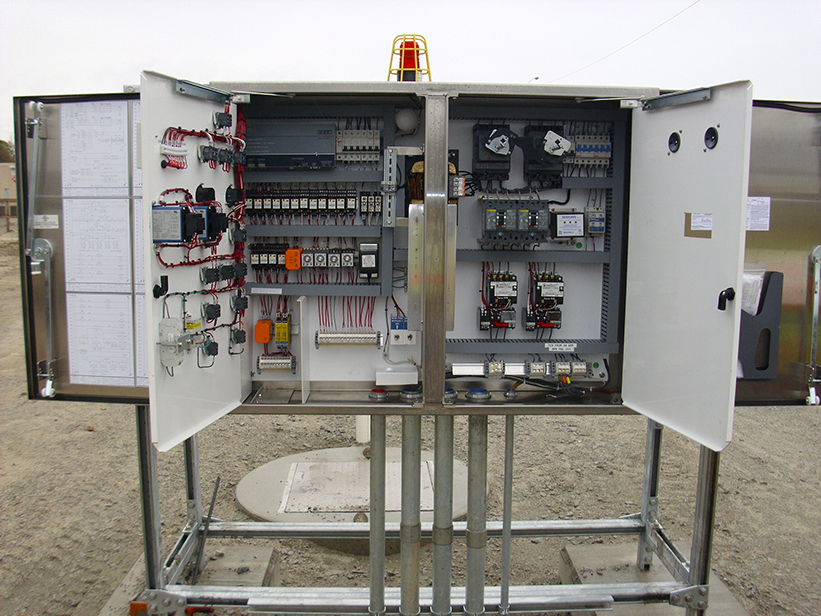
Each pumping venture is distinct each one with its own set of requirements such as elevation variations, water flow, water quality and the requirements for ownership. These aspects should be considered during the initial design phase to prevent operational issues in the long run and ensure the system continues to perform in the way it was designed for a long time.
Why Package Pumping Systems Have to Be Project Specific
Package pumping systems are developed to be a complete integrated solution, not a collection off-the shelf components. The way a system is constructed is dependent on numerous aspects, including the site’s environment, the conditions of the site, and operational requirements. Each facility requires different designs for structural structures, techniques for control and configurations of pumps.
Engineers can make better decision by looking at upfront flow rates, duty-points, as well as estimated life-cycle costs. This technique reduces the need for rework and also avoids costly surprises in construction. It also sets expectations between all stakeholders.
Modern Development Modern Development: Wastewater Lifting Stations
In order to accommodate the growing urban area sewer infrastructures will have adapt to the different terrains and expanded service areas. A wastewater lift station allows sewage to be conveyed from lower elevations to higher collection points, ensuring reliable transport to treatment facilities. These systems are crucial in regions where gravity flow is unable to meet the demands.
Wastewater lift stations need to be able to manage variable flows, manage solids, corrosion resistance and conform to the regulations. Municipal systems often prioritize longevity and ease of maintenance while industrial or private systems may focus on capacity and scalability. Custom-designed engineering ensures that pumps, structures, controls and other components are chosen to fit the specific operational environment.
Stormwater Lift Stations for Environmental Protection
Managing stormwater effectively has become more important as the density of development increases and weather patterns become more unpredictable. The well-designed stormwater lift stations assist to control runoff, manage retention ponds and minimize the risk of flooding. These systems aid in protecting the environment because they direct stormwater to be treated before it is released into natural waters.
Stormwater pumping solutions have to function efficiently across a range of conditions for flow, ranging from mild rainfall to intense storms. The stations are constructed with fluctuations in flow rates, seasonal changes and long-term sustainability in mind. Flexible pump technologies and material selections enable systems to adjust over time to changing demand.
Industrial and clean Water Pumping Applications
Pump stations aren’t just for municipal use. Pumping systems in industrial facilities are vital for handling of high temperature fluids and high-pressure processes. They also deal with oily water and chemically aggressive waste streams. The design of these systems requires special expertise and a careful selection of materials.
Residential, commercial, as well as municipal distribution of water are supported by systems that provide safe water, which includes booster stations. It is essential to ensure that the pressure and flow are consistent for users’ satisfaction and reliability of the system. Pump stations used for irrigation, reclaimed or groundwater extraction and large water features need to balance durability with efficiency.
A single, integrated design source
Complexity and risk may result due to coordination between multiple vendors that provide structural, electrical, mechanical and control components. Single source design and delivery streamlines project implementation and enhances compatibility. Design teams are able to quickly come up with practical solutions based on the experience through a variety of scenarios for pumping.
Romtec Utilities applies this integrated strategy across stormwater, wastewater industrial, cleaning water projects. The projects which benefit from Romtec Utilities handling the entire pumping system, from structural housing to engineering and controls are simplified and of the same high-quality.
The performance of the infrastructure today depends on the pumping system that is more responsive to changing conditions than the assumptions. Early evaluation, integrated execution and well-thought-out design ensure that every pump station can meet its long-term owners’ and operators’ needs.